Stacking Rings and Bracelets Without It Looking Random
A good stack looks like a decision and a bad one looks like whatever was in the dish that morning. The difference comes down to three or four rules that are easy to apply and easy to see once you know them.
Odd numbers read as intentional
Three or five pieces almost always look more composed than two or four. The eye finds even groupings symmetrical and therefore static, and odd groupings dynamic.
This applies to rings on one hand, bangles on one wrist and bracelets in a stack. It is the single easiest change to make.
If you own an even number you like, wear one on the other hand rather than forcing them together.
Vary the width, keep the tone
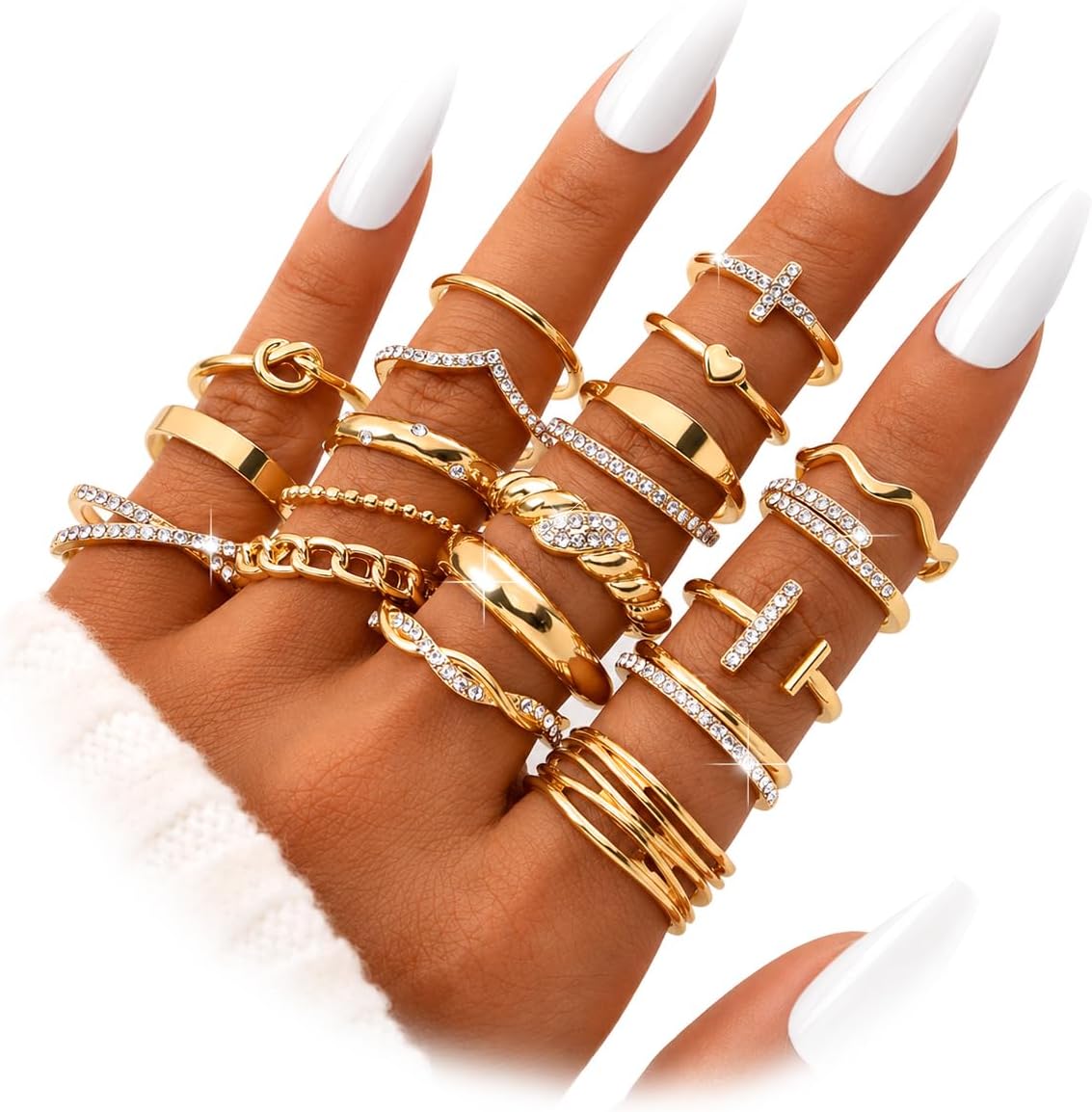
A stack of identical-width bands reads as one thick band. A stack that mixes a wide statement piece with two or three fine ones has depth and lets each piece register separately.
Keep the metal tone consistent within a single stack until you are confident. Mixing gold and silver tones works, but it works because of deliberate repetition rather than by accident — the mixed tone needs to appear at least twice.
Texture counts as variation too: a twisted band beside a plain one adds interest at the same width.
Pick one anchor
Every good stack has one piece that is clearly the focus — the widest ring, the chunkiest bangle, the bracelet with the stone — and everything else supports it.
Two competing focal pieces in the same stack fight each other, and the result reads as cluttered no matter how good each piece is on its own.
Put the anchor where it will be seen: the base of the stack on a wrist, or the middle finger in a ring stack.
Rings: which fingers, and knuckle rings
A conventional approach is to stack two or three on one hand across two adjacent fingers, leaving the rest bare. Filling every finger reduces the effect of all of them.
Midi and knuckle rings sit above the joint and are sized considerably smaller than a standard ring. They are meant to be snug and they will slide off if they are not.
Balance across the hand rather than loading one side. A stack on the index and middle finger of one hand plus a single ring on the other reads better than five on one hand.
Bracelets: spacing and sound
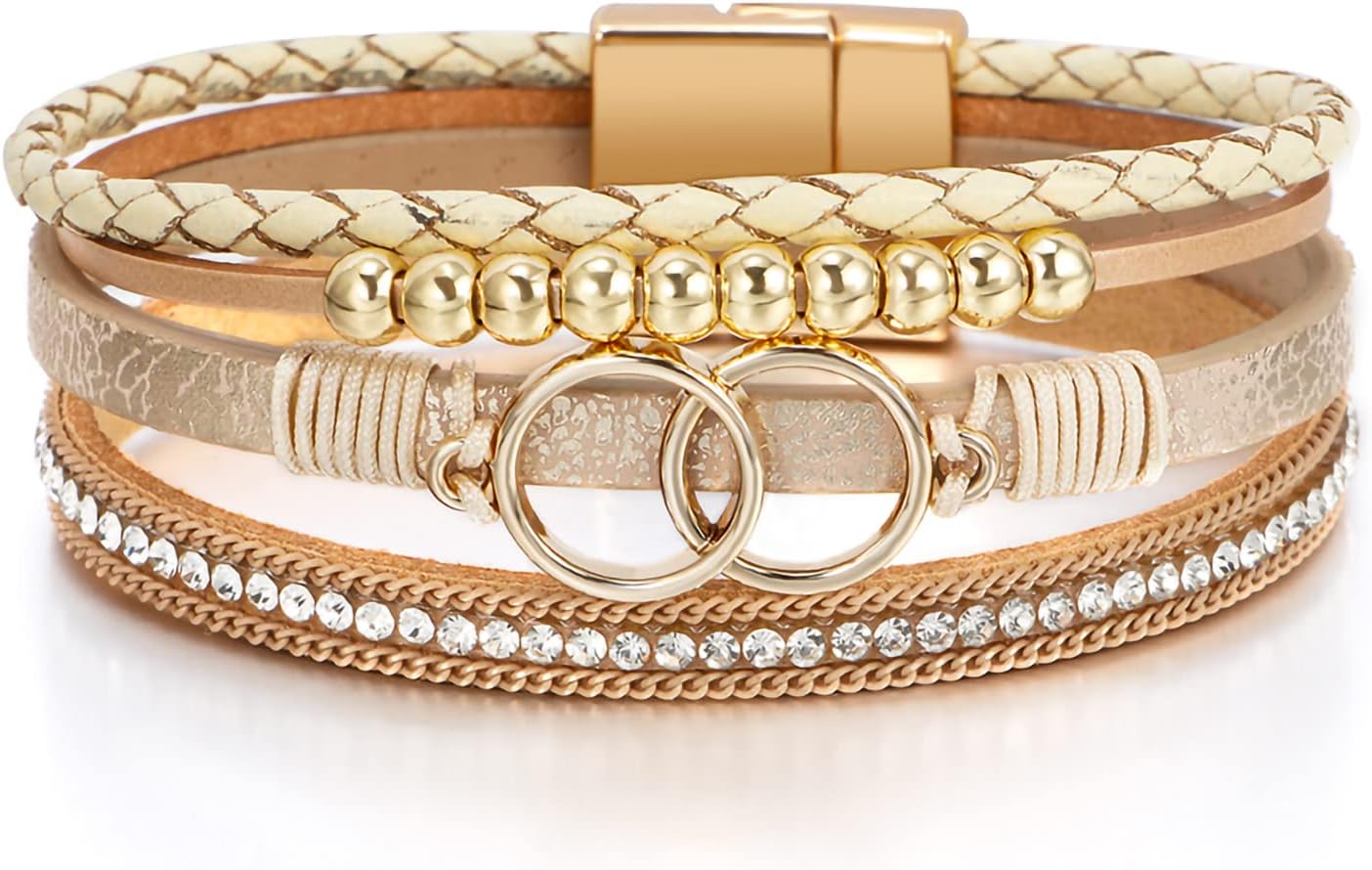
A wrist stack works best with a mix of a rigid piece — a bangle or cuff — and flexible ones such as beaded or leather wraps. All-rigid stacks slide and clatter; all-flexible stacks collapse into a rope.
Bangles that are too large slide over the hand; too small and they will not pass the thumb joint. Measure by making a fist and measuring around the widest point.
If noise bothers you at a desk, put a leather wrap between two bangles as a spacer.
Clay bead and beaded stacks
Heishi clay bead bracelets are designed to be worn several at a time and in colour groups. Choose three or four colours that share a common tone — all warm, or all muted — rather than a rainbow, unless a rainbow is the point.
Elastic strung bracelets stretch over time. Rolling them on rather than stretching them over the hand extends their life considerably.
Keep them away from perfume and lotion; the elastic degrades faster than the beads do.
Scale against your own wrist and hand
A very wide cuff on a small wrist takes over the whole forearm; fine bands on a larger wrist disappear. Scale the anchor piece to your own proportions rather than to the photograph.
The same applies to rings: a chunky statement ring reads differently on a slim finger, and there is no correct answer beyond what looks right to you in a mirror.
Try the stack in daylight before wearing it out. Artificial light hides tonal clashes.
Editing at the end
The last step in building a stack is removing one piece. Almost every stack is improved by taking one thing off, and the discipline of doing it deliberately is what separates composed from accumulated.
Take the piece that is doing the least, not the one you like least.
If you cannot decide which, the stack has too many focal points and the answer is the second-boldest piece.
Where to go next
Rings, bangles, leather wraps and clay bead stacks are all in Rings and Bracelets.
Shop Bracelets
Related articles
- Gold-Plated, Gold-Filled and Gold-Tone Explained — What each term legally means, how long each lasts, and why an honest description matters more than the word gold.
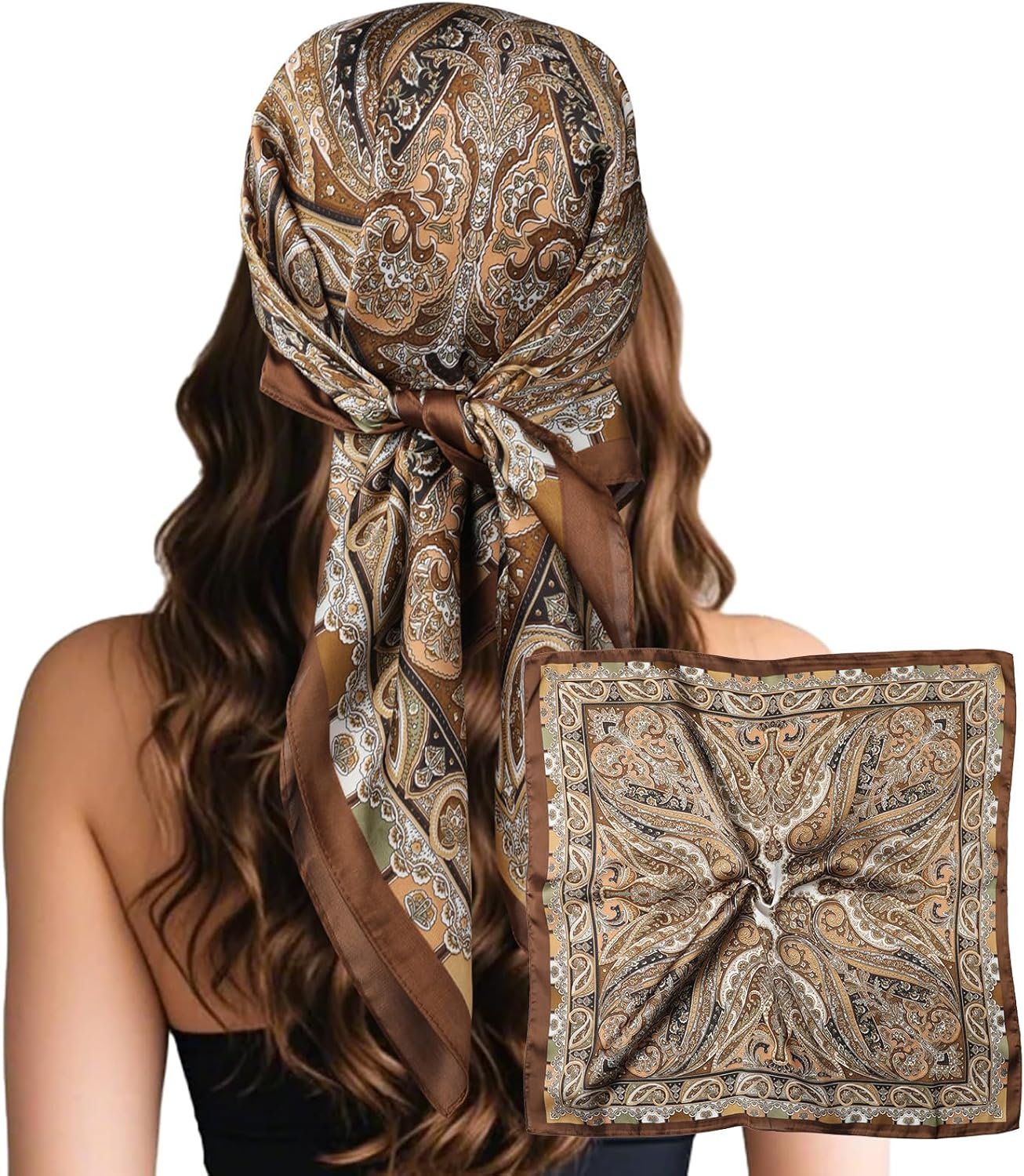
- Six Ways to Tie One Scarf — Head wrap, neck knot, bag handle, ponytail wrap, belt and bandeau. One square scarf, six looks, with the fold each needs.
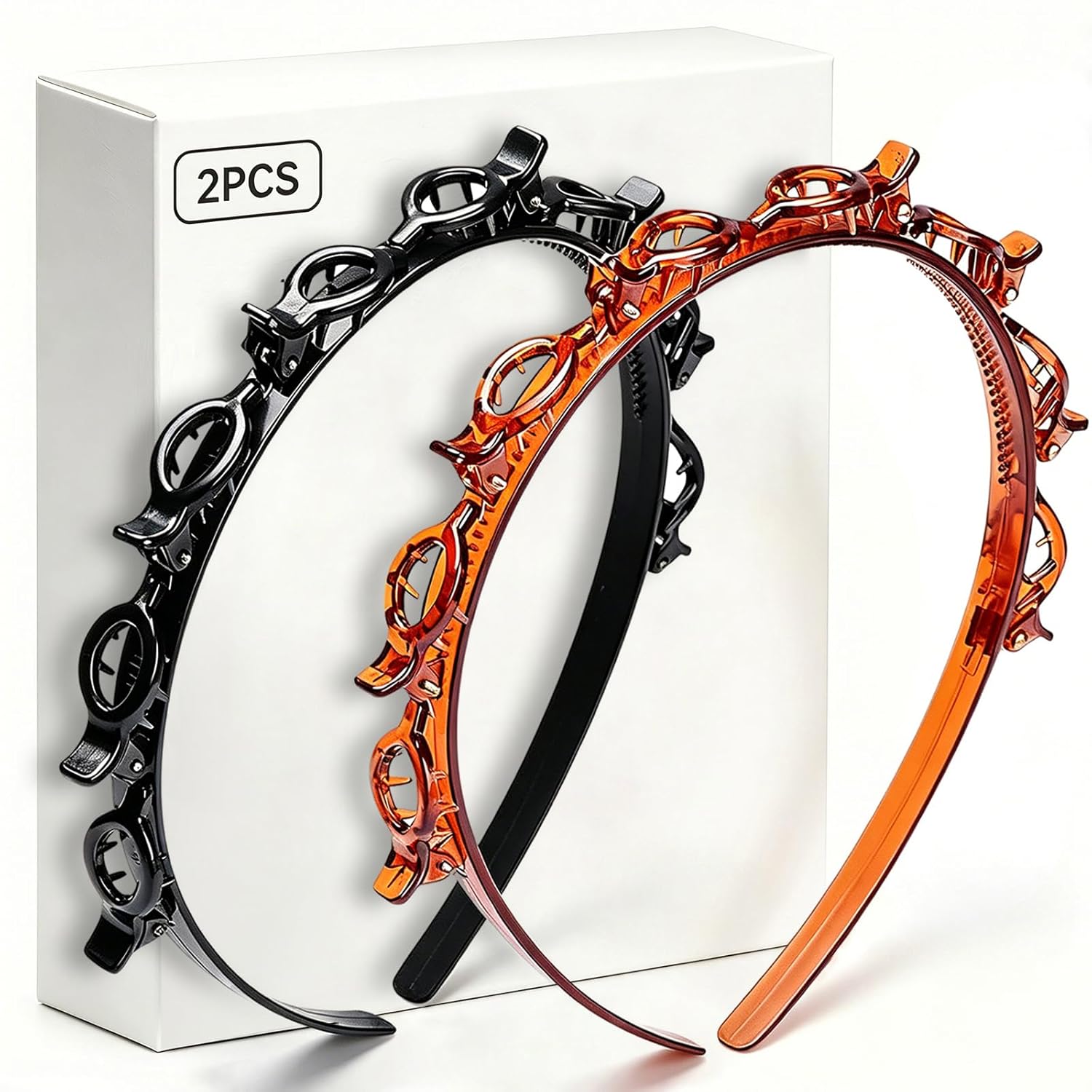
- Headbands That Stay Put — Turban bands, braided bands and toothed headbands compared, plus the placement that stops them sliding back all day.
- Caring for Costume Jewelry So It Lasts a Season Longer — Perfume, water and storage are what dull plated pieces. A short routine that materially extends their life.
- Statement Earrings and Balancing an Outfit — Drop earrings draw the eye upward. What to pair them with, what to leave off, and how to wear weight comfortably.